

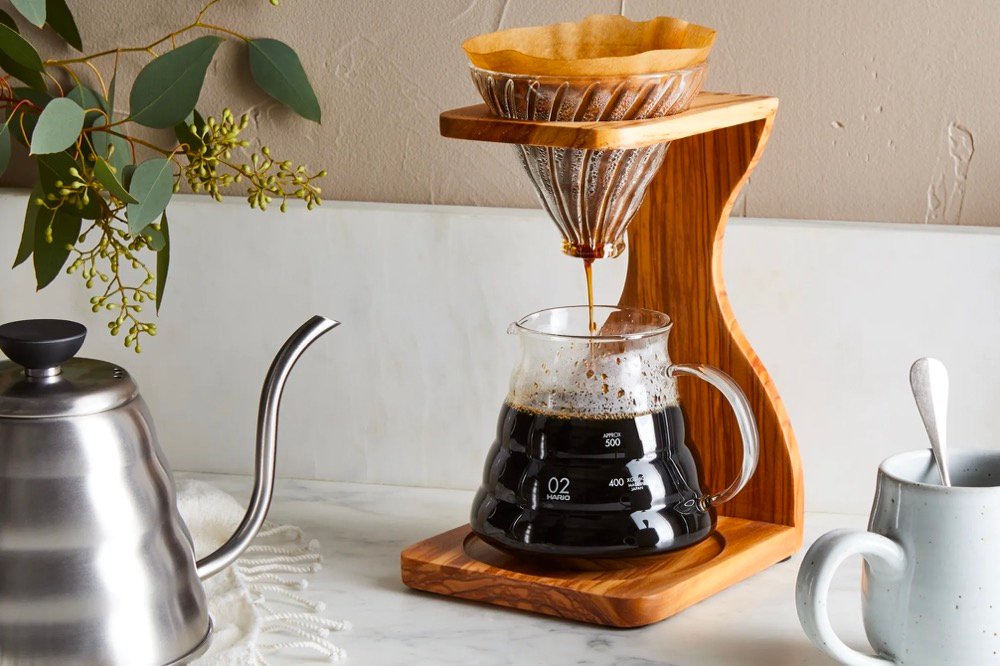
Coffee filter
Choosing the right coffee filter is essential for brewing a great cup of coffee. There are different types of filters available, and the choice often depends on your brewing method and personal preferences. Here’s how to choose the right filter for your coffee:
- Determine Your Brewing Method:
The type of coffee maker or brewing method you use will largely dictate the type of filter you need. Common brewing methods include drip coffee, pour-over, French press, AeroPress, and espresso. Different filters are designed for each of these methods. - Paper Filters:
Paper filters are the most common type and are used in most drip coffee makers. There are two main types: bleached and unbleached.
- Bleached paper filters: These filters are usually white and have been chemically processed to remove impurities. They tend to be more neutral in flavor but may have a slight paper taste when first used. Rinse them with hot water before brewing to reduce this taste.
- Unbleached paper filters: These are brown and haven’t undergone the same bleaching process. They may impart a slight woody or natural flavor to the coffee, but some people prefer them for their eco-friendly qualities.
- Metal Filters:
Metal filters are commonly used in pour-over and French press methods. They are typically reusable and offer a different coffee flavor profile compared to paper filters. Metal filters allow more oils and small coffee grounds to pass through, resulting in a fuller-bodied cup. - Cloth Filters:
Cloth filters, often made of cotton or hemp, are used in some pour-over methods. They are reusable and can produce a unique, full-bodied coffee flavor. They require regular cleaning and maintenance to prevent mold or unpleasant odors. - Determine Filter Size:
Make sure the filter you choose fits your coffee maker or brewing device. Sizes can vary from small filters for single cups to larger ones for full pots. Consult your coffee maker’s user manual or the manufacturer’s recommendations for the appropriate filter size. - Consider Environmental Impact:
If you’re concerned about environmental impact, consider reusable filters like metal or cloth. Paper filters, especially unbleached ones, can also be more eco-friendly than traditional bleached filters. Reusable filters reduce waste and are a sustainable choice. - Experiment:
Ultimately, the choice of filter may come down to your personal taste preferences. Don’t hesitate to experiment with different filter types and brands to find the one that best complements the coffee beans you’re using and your brewing method.
In summary, selecting the right coffee filter is crucial for brewing a cup of coffee that meets your taste preferences and brewing method. Consider the type of filter, size, and environmental impact when making your choice, and don’t be afraid to experiment to find the perfect match for your coffee.